







-
Green Fingers Greenhouse 180x240x240cm Steel Frame PE Cover Outdoor ShelterElevate your gardening experience with the Green Fingers Instant Pop-up Greenhouse. Designed for ultimate convenience, this 180 x240cm walk-in greenhouse features center-lock technology, allowing a single person to set it up in seconds without any tools. Its robust, powder-coated steel frame ensures exceptional stability...
- $156.95
$399.99- $156.95
- (-61%)
- Unit price
- per
-
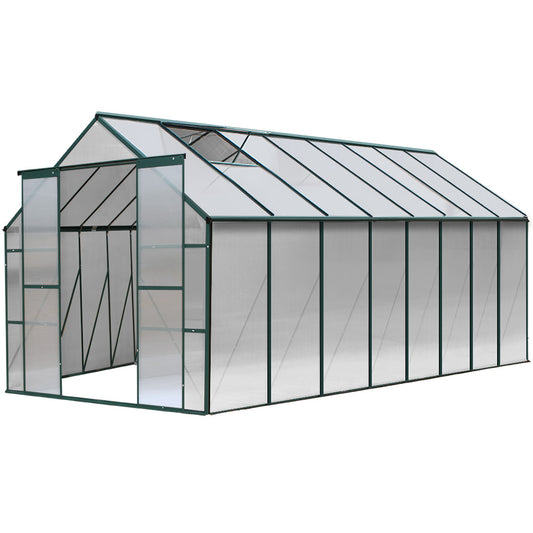
Green Fingers Greenhouse 4.1x2.5x2.26M Double Doors Aluminium Green House Garden ShedIf you are passionate about your flora and vegetables, the Green Fingers Aluminium Greenhouse is certainly worthy of your consideration in helping your vegetation blossom and bear fruit beautifully. This spacious greenhouse has a massive volume of 23.17m³ and can accommodate a considerable number...
- $661.95
$949.99- $661.95
- (-30%)
- Unit price
- per
-
Green Fingers Greenhouse 1.2x1.9x1.9M Walk in Green House Tunnel Plant Garden Shed 4 ShelvesAustralia's weather can make growing greens tricky, especially when consistent temperatures are needed. Our all-weather Greenhouse provides the perfect environment for year-round growth.Ideal for home or light commercial use, it protects plants from harsh weather, pests, and pets. The greenhouse traps heat naturally, promoting...
- $74.95
$157.99- $74.95
- (-53%)
- Unit price
- per
-
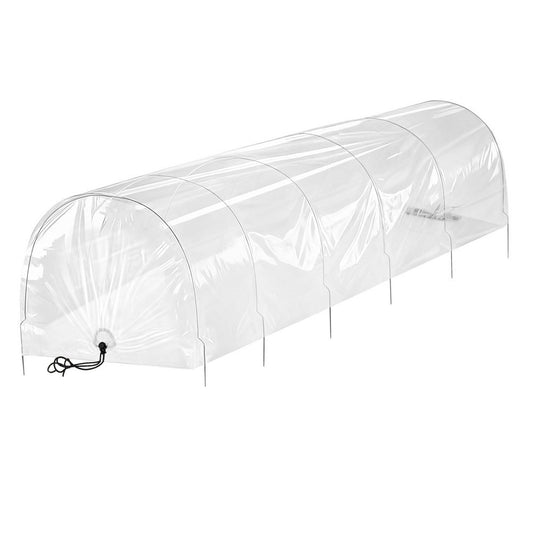
Green Fingers Mini Greenhouse 300x45x30cm Tunnel Clear PVC Steel Frame PortableGive your plants a cozy home with the Green Fingers Mini Greenhouse Kit. Made from clear PVC, this compact tunnel lets sunlight nourish your plants while shielding them from frost and chilly winds.Ideal for small garden beds or outdoor plots, the arch-shaped design creates...
- $21.95
$54.99- $21.95
- (-60%)
- Unit price
- per
-
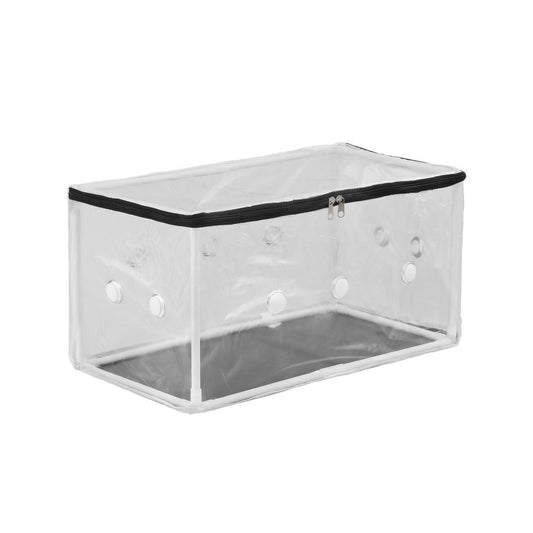
Green Fingers Mini Greenhouse 50x25x25cm PVC Cover for Mushrooms SucculentsProtect your plants with the Green Fingers Mini Portable Greenhouse. Perfect for succulents, mushrooms, herbs, and seedlings, it shields delicate plants from wind, rain, and harsh weather while letting in plenty of sunlight. The dual zipper design allows easy access for watering and ventilation....
- $21.95
$71.99- $21.95
- (-70%)
- Unit price
- per
-
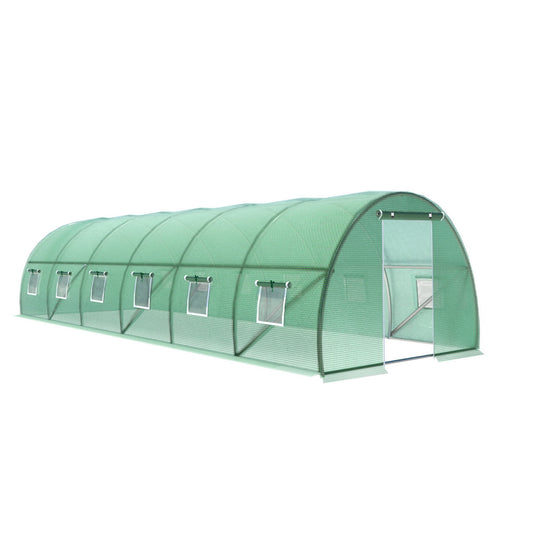
Green Fingers Greenhouse 9x3x2M Walk in Green House Tunnel Plant Garden Shed DomeInclement weather can make growing your favourite crops and flowers a challenge, especially when your plants require consistent temperatures. Now, you can cultivate plants anywhere, any time of the year, thanks to the Green Fingers all-weather Greenhouse. Suitable for home or light commercial use,...
- $342.95
$499.99- $342.95
- (-31%)
- Unit price
- per
-
Green Fingers Greenhouse 5.1x2.44x2.1M Aluminium Polycarbonate Green House Garden ShedTransform your backyard with the Green Fingers greenhouse, designed for year-round plant growth.Our durable, eco-friendly greenhouse features water-saving designs and promotes recycling. Enjoy a beautiful garden while supporting sustainability.Control temperature, light, and humidity easily with the sliding door and adjustable roof vent.Create your dream...
- $778.95
$1,132.99- $778.95
- (-31%)
- Unit price
- per
-
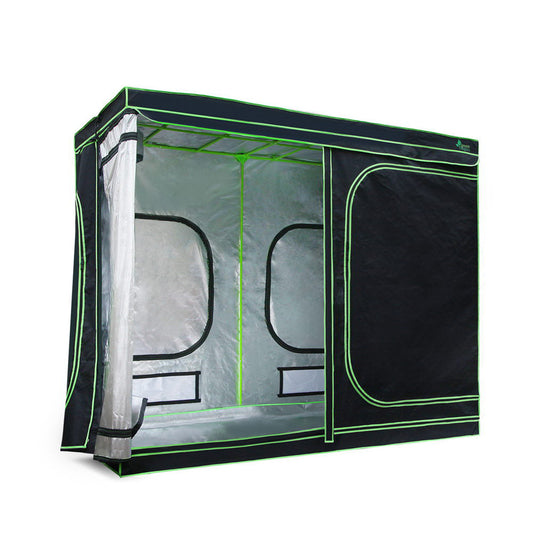
Greenfingers Grow Tent 240x120x200CM Hydroponics Kit Indoor Plant Room System2.4M x 1.2M x 2M|Grow tent| Easy Set-UpWhether you're a budding novice or a seasoned green thumb, our Green Fingers hydroponics grow tent is just perfect for you. Lightweight and portable, our grow tent is equipped with all the necessary essentials to facilitate healthy...
- $212.95
$299.99- $212.95
- (-29%)
- Unit price
- per
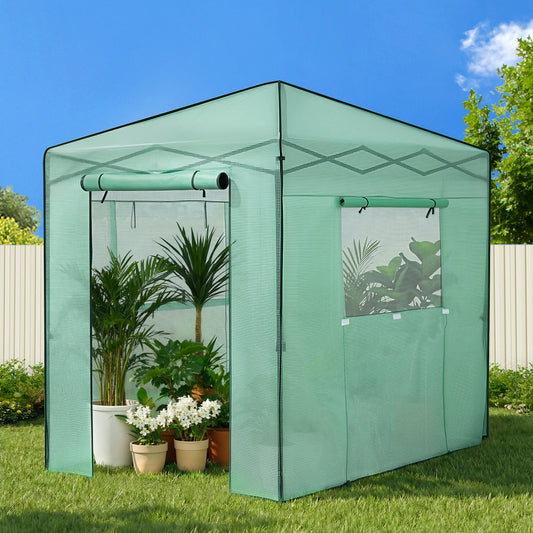

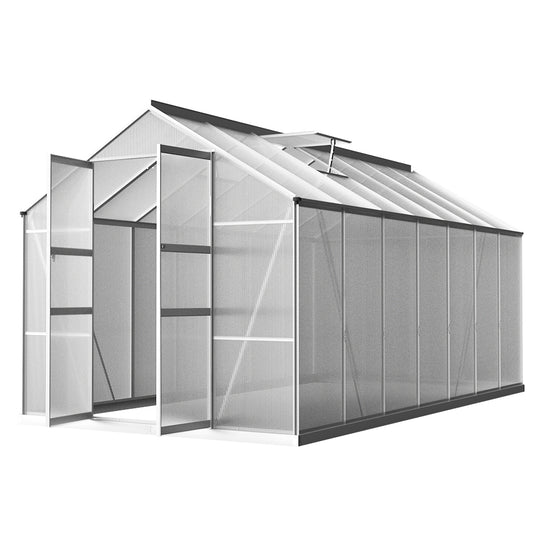

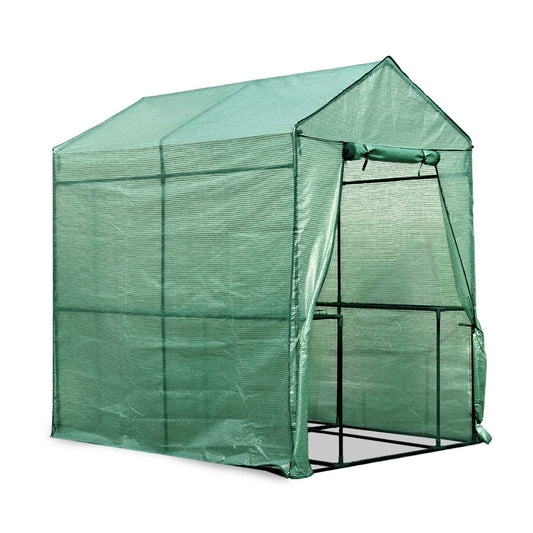






A greenhouse extends the growing season, protects seedlings from frost and late cold snaps, and makes year-round growing practical for Australian gardeners. Our range covers walk-in greenhouse kits, compact cold frames and mini greenhouses in PVC-covered and polycarbonate panel designs, with accessories to set them up completely.
Growing vegetables and herbs year-round in Australia is theoretically possible in most climates, but practically limited by the cool nights and occasional frosts of winter, the extreme summer heat that burns tender seedlings and the spring and autumn temperature swings that make germination unreliable. A greenhouse manages all three challenges.
Polycarbonate greenhouse panels offer better insulation than PVC covers and are more impact-resistant. Twin-wall polycarbonate traps a layer of air between two layers of plastic, providing meaningful thermal insulation that helps maintain temperatures above ambient in cool weather. It diffuses light rather than passing it directly, which reduces scorching in the intense Australian summer sun.
PVC cover greenhouses are more affordable and lighter to assemble, making them a practical starting point for gardeners who want to trial greenhouse growing before committing to a permanent structure. Quality PVC covers with UV treatment last 2-4 seasons before the plastic begins to degrade and should be replaced when light transmission reduces noticeably.
Sizing should be chosen with expansion in mind — most gardeners who try greenhouse growing wish they had started larger. A walk-in greenhouse allows taller plants, better air circulation and the ability to bring in larger seedling trays and propagation equipment. The minimum practical walk-in greenhouse for serious vegetable production is around 2m x 3m; 3m x 4m is more comfortable and allows a work table inside.
Shading, ventilation and watering systems are the most useful accessories. Shade cloth reduces heat during Australian summer days; automatic or manual roof vents manage humidity and prevent overheating; drip irrigation or capillary watering systems reduce the frequency of manual watering.
Browse our greenhouse range online with fast delivery across Melbourne and Australia.
Frequently Asked Questions
What is the difference between a PVC cover greenhouse and a polycarbonate greenhouse?
PVC cover greenhouses use a flexible plastic film stretched over a metal frame — affordable, lightweight and easy to assemble, but the PVC degrades in UV and typically needs replacing every 2-3 seasons. Polycarbonate greenhouses use rigid panels that last much longer, provide better insulation and are more structurally robust. Polycarbonate is a better long-term investment; PVC is a lower-cost starting point.
Do I need council approval for a greenhouse in my Australian backyard?
Requirements vary by state and council. In most Australian states, a temporary greenhouse structure under a certain size (typically 10m²) does not require a building permit. Permanent, larger or attached structures may require approval. Check with your local council before proceeding with a large or permanent installation.
How hot does a greenhouse get in an Australian summer, and how do I manage it?
An unventilated greenhouse in direct sun can reach 50-60°C on a hot Australian summer day — hot enough to kill most plants. Adequate ventilation (opening vents and doors on hot days) and shade cloth during the hottest months are essential. Automatic ventilation systems that open vents at a set temperature are particularly useful for gardens where daily monitoring isn't possible.